
Keep the sale moving
Asbestos Removal in Valley Stream, NY Before It Stalls Your Sale
Testing, removal and emergency cleanup of pipe wrap, floor tile, ceilings and siding, finished with clearance results you can hand to a buyer, an inspector or a lender.
- Sampled before pricedSuspect material is looked at and sampled on site first, so the price you get covers what is actually there.
- Towns we coverLynbrook, Elmont, Malverne, Hewlett and Oceanside

What is settled on the first call
Where the job stands
Whether you need a lab answer first, a removal crew, or both, sorted before anyone is sent out.
A written scope
Each material, the edges of the work zone, the waste plan and the clearance test, agreed in writing ahead of day one.
Sealed work zones
Plastic barriers, closed vents and HEPA negative air keep dust where the crew is working.
Records for the file
Lab reports, disposal records and air clearance kept together for your attorney or buyer.
A live voice any hour
The line is picked up around the clock, including nights and weekends.
What Can We Take Off Your List?
Did a home inspector flag the boiler wrap? Is a contractor waiting on lab results before he opens a wall? Each of these five services answers a specific question, and most jobs touch two or three of them. Here is how they line up.
Asbestos Removal
Heating-pipe lagging, old square tile with its black glue, sprayed ceiling texture, wallboard compound, cement shingles on walls or roofs, wrapped ductwork: whatever the lab confirms comes out inside containment, leaves for a licensed disposal site and ends with an air test.
Emergency Asbestos Removal
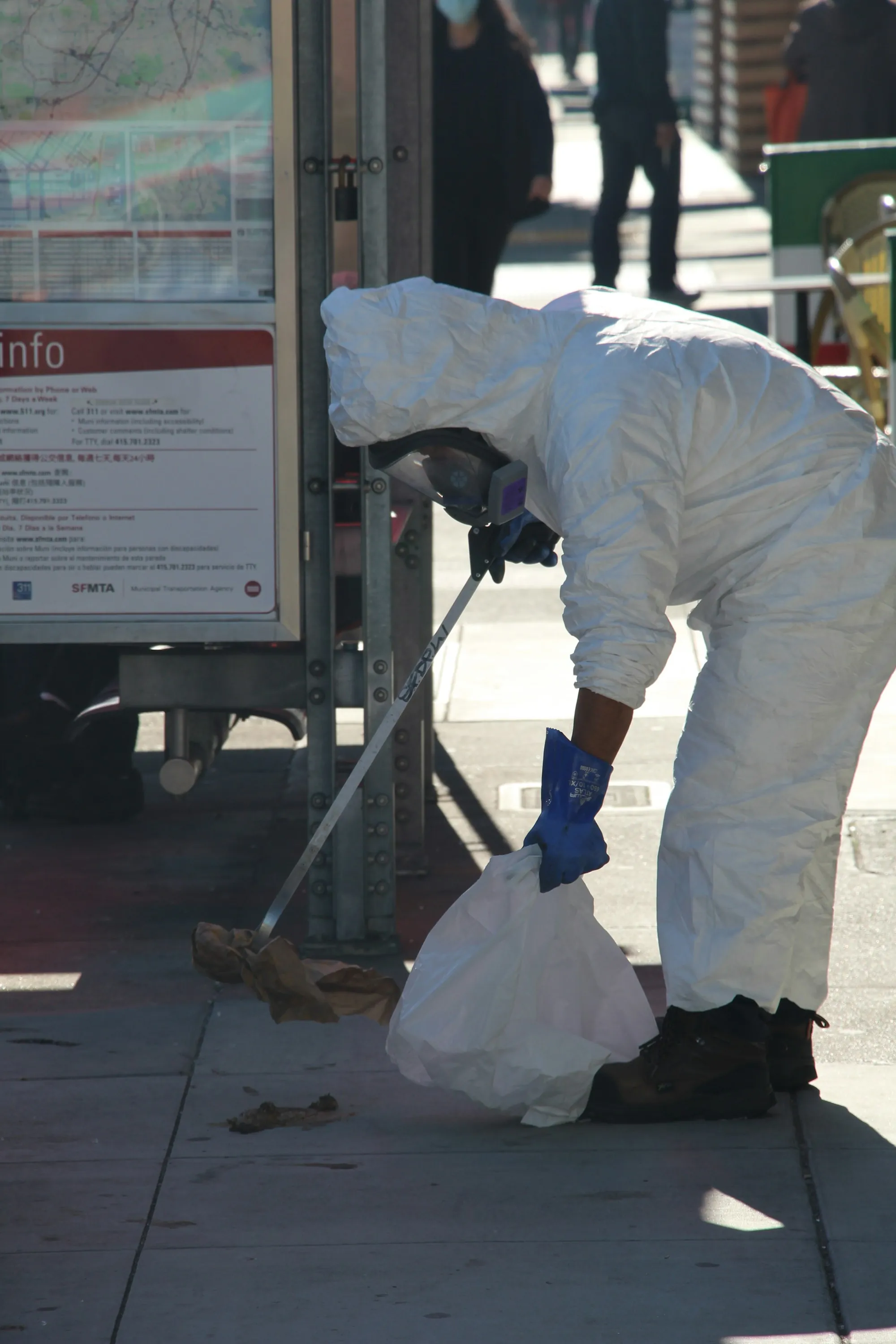
Water reached the boiler room, heat cracked a ceiling, wind ripped siding loose, or a renovator pulled up flooring nobody had sampled. Our number rings through to a real person around the clock, and a crew follows to wall off the damage and deal with it correctly.
Asbestos Testing
Our certified inspector snips a sliver from each doubtful material, an accredited laboratory does the analysis, and the budget, the disclosure form and the contractor's calendar all rest on a real result.
ACP-5 Filing
Got a renovation lined up in Queens, Brooklyn or another borough? The city wants an ACP-5, signed by a DEP-certified investigator, attached to most building permit applications on any job that leaves regulated asbestos alone.
DEP Asbestos Stop Work Order Removal
When a DEP inspector freezes a city job because of asbestos, release usually depends on correct paperwork, abatement by a licensed outfit while the air is watched, and agency approval. Our part is getting every asbestos item on that list finished and documented.
What Are the Six Stops Between Your Call and a Clean Report?
You describe the situation
What is the building, what material worries you and what deadline is in play? A closing date, a permit, a contractor on hold or a DEP order all change the order of operations, so we ask about them up front.
Lab confirms the suspects
Our certified inspector removes a small piece of every questionable material and ships the set off for accredited analysis. Back comes a report naming which items carry asbestos and which can be ignored.
Paperwork and price in writing
Any notification the job requires is prepared, along with an ACP-5 if a city property is involved. You receive a written scope listing every material, the work area, the disposal method and how clearance will be confirmed.
The area is sealed off
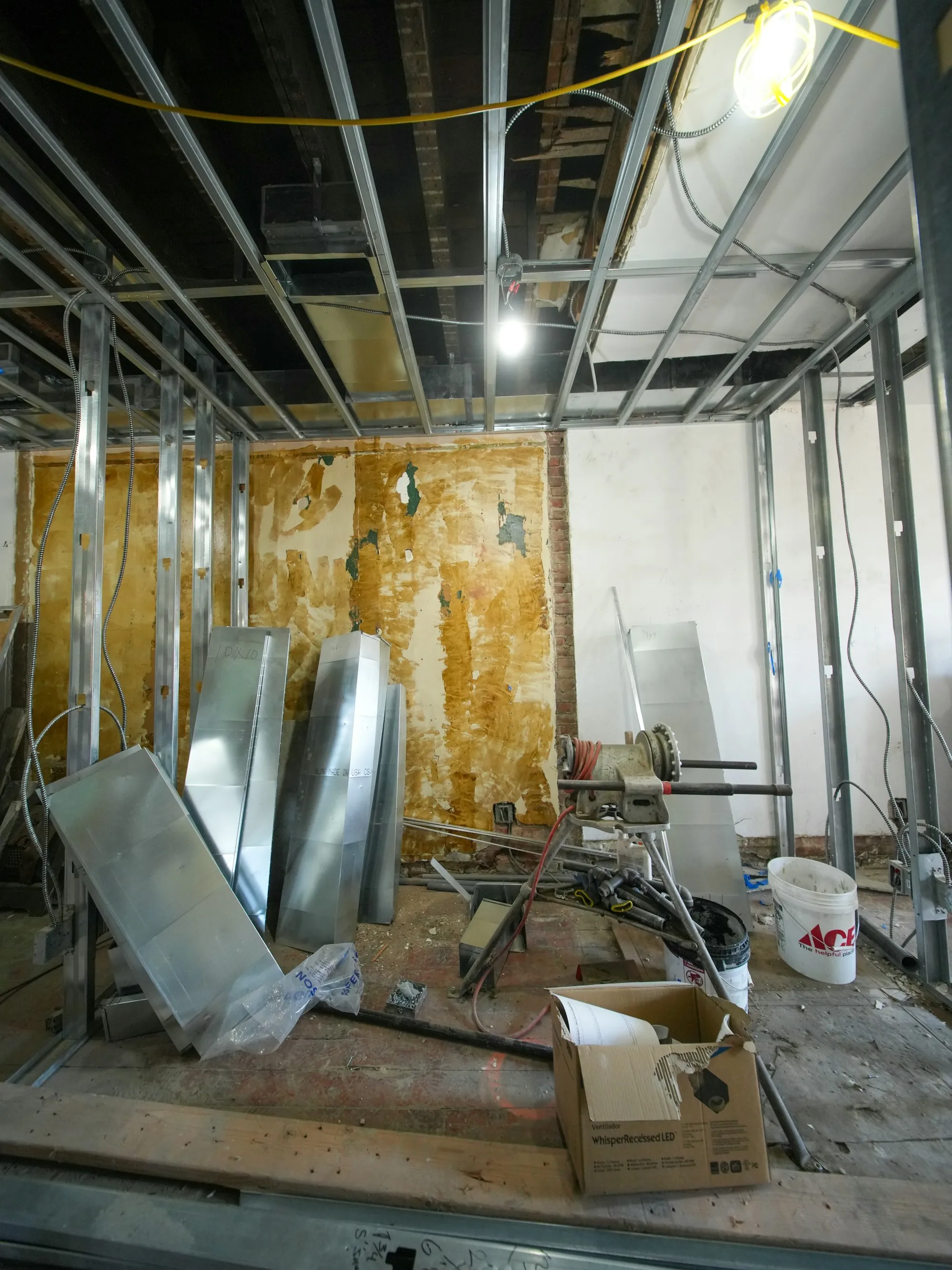
Plastic sheeting goes up, doorways, vents and returns are closed, and HEPA-filtered machines put the work zone under negative pressure so air flows in, not out toward the rest of the house.
Material comes out wet
Licensed handlers keep the material damp while removing it, then pack it in sealed, labeled bags or wrapping headed for a disposal site licensed to receive asbestos waste.
Wipe-down, then the air test
Crews go over each surface inside the barrier with HEPA vacuums and damp cloths. A separate testing firm then samples the room, and its passing result is filed with your paperwork before the family returns or the buyer's walk-through happens.
Why Do Sellers and Owners Keep Our Number Handy?
An asbestos job is mostly organization: the right test, the right order, the right documents. These are the habits that keep yours from becoming the item that delays everything else.
The scope is written down first
Before work starts you hold a page listing every material coming out, how the zone gets closed off, which facility receives the debris and which air result counts as finished. If a buyer's attorney asks what was done, you can answer in one email of your own.
Trained handlers, not spare hands
State rules reserve this work for licensed contractors using certified asbestos handlers. Ours are trained for exactly this, so nobody is practicing on your basement floor.
Lab results before a price
Plenty of vintage flooring and pipe covering is harmless, and the hazardous kind looks no different. With results in hand, your money goes only toward material the lab flagged, and your disclosure form lists nothing that was never there.
Dust stays in the work zone
Plastic walls, taped-over vents and filtered exhaust machines pull air into the zone instead of letting it drift out. Bedrooms, the kitchen and the rooms a buyer will tour stay out of it.
Asbestos Work Around Valley Stream and Southwest Nassau
Valley Stream sits on the Queens line, with Sunrise Highway cutting across the village, the Southern State Parkway along its northern side and Long Island Rail Road stations close by. Much of the housing went up after the war: capes, high ranches and colonials, plus garden apartments and co-op buildings near the main roads. Plenty of those were built when asbestos pipe wrap, floor tile and ceiling texture were standard. We work in homes and buildings across Valley Stream and the surrounding Nassau County towns, from Lynbrook and Malverne to the Five Towns, Oceanside and East Rockaway, and in Rosedale and Elmont along the city line.
Houses headed to market
A listing photo does not show the boiler room, but the buyer's inspector will. Testing and removal before the inspection keeps the report clean and the contract intact.
Co-ops and apartment buildings
Boards and managing agents need work done with residents still living upstairs. Containment, clear notices and air clearance let a building keep running around the job.
One number across the area
Whether the job is in Hewlett, Franklin Square or Rosedale, (516) 363-4776 connects you with this office and the identical step-by-step routine.
Towns we cover
- Valley StreamSunrise HighwayHome base
- LynbrookSunrise Highway
- ElmontSouthern State Parkway
- Franklin SquareSouthern State Parkway
- MalverneLong Island Rail Road
- HewlettLong Island Rail Road
- WoodmereLong Island Rail Road
- RosedaleSunrise HighwayQueens
- LawrenceLong Island Rail Road
- OceansideSouth of Lynbrook
- East RockawayLong Island Rail Road
Have a property a little farther out in Nassau County, or across the line in Queens? Ask about it. Odds are good it is within reach.
Check whether we reach your address: (516) 363-4776Did the Inspection Report Mention Asbestos?
A line item like that can make a buyer nervous and an attorney cautious. The quickest way to calm it down is a lab answer and, if needed, removal with clearance results attached. Read us the relevant line from the report and you will hear which step comes first.
Go over the inspection report with us: (516) 363-4776Nothing to sign and no obligation on the call.
What Do Owners Usually Ask Before Hiring Us?
Here are direct answers to the questions that come up most, in the order people tend to ask them.
How long will the removal itself take?
That depends on how much material there is, what kind it is and where it sits in the building, so there is no single answer. A short run of pipe wrap is a very different job from a whole basement of tile and mastic. After the inspection we give you a realistic work plan in writing, which helps you line it up with a closing or a contractor.
Do we have to move out during the removal?
Usually not, provided everyone keeps clear of the sealed area and follows the crew's directions. Containment and negative air are designed to keep dust inside the zone. For bigger jobs, or when the work is near bedrooms or the only entrance, we may suggest staying elsewhere until clearance is confirmed.
Is it okay to pull out asbestos material on my own?
We strongly advise against it. Cutting, scraping or breaking the material is exactly what releases fibers, and without containment and HEPA equipment the dust can travel through the house. New York sets licensing and certification rules for asbestos work for that reason, and a do-it-yourself attempt can turn a small removal into a much larger cleanup.
How would I know whether my house contains asbestos?
The only reliable way is to have suspect materials sampled and analyzed by an accredited lab. Homes built through the 1970s and into the 1980s commonly used it in pipe insulation, floor tile, ceiling texture, joint compound and siding. A certified inspector can tell you which items are worth testing so you are not sampling everything in the house.
Can someone identify asbestos just by looking at it?
No. Asbestos fibers cannot be seen without lab equipment, and many materials made with and without asbestos look identical. An experienced inspector can point out likely suspects, but only a lab result settles the question, and that result is what a buyer or attorney will want to see.
Something with asbestos already got broken. What now?
Stop all work in that area and keep people and pets away from it. Shut off any heating or cooling system that serves that space, and leave the debris untouched, since a broom, a shop vac or a rag only pushes fibers around. Then reach our emergency line at any hour so a crew can isolate the area and clean it up correctly.
Can we just lay new flooring over the old asbestos tile?
Sometimes, yes. Tile that is intact and firmly attached can sometimes be left in place or covered with new flooring, since undisturbed material is lower risk. If a renovation will sand, cut or pull it up, or a buyer wants it gone before closing, removal is usually the cleaner choice, and the lab report tells you what you are dealing with.
What is air clearance, and who handles it?
Air clearance is sampling done after the cleanup to confirm the work area is safe to use again. A separate testing firm handles it, never the crew that did the removal, which keeps the result impartial. We coordinate it as part of every removal and pass the results along for your records.
What does asbestos removal cost, and why does it vary?
The price turns on what the material is, how much of it exists, whether it is easy to get at or tucked behind finished walls, how big the containment must be, which filings apply and disposal. Because those details differ from job to job, we inspect and confirm what is there before pricing. You then get the full scope and cost in writing so nothing changes halfway through.
Is the old insulation on my pipes and boiler a hazard?
Intact, well-wrapped insulation that nobody touches is lower risk than material that is cracked, crumbling or hanging loose. Damage, vibration and repair work are what release fibers. If the wrap is deteriorating or a heating system replacement is planned, have it tested and, if it contains asbestos, removed under containment first.
Who Keeps Track of the Details?
Asbestos Removal Valley Stream runs every job like a well-kept file: what was tested, what the lab found, what was removed, where it went and what the air clearance showed. That record is what lets a seller answer a buyer's questions in one reply, and what lets a contractor get back to work without second-guessing. The same organized approach applies to a single pipe elbow in a basement or a full floor of tile in an apartment building.
Learn how a job is organized here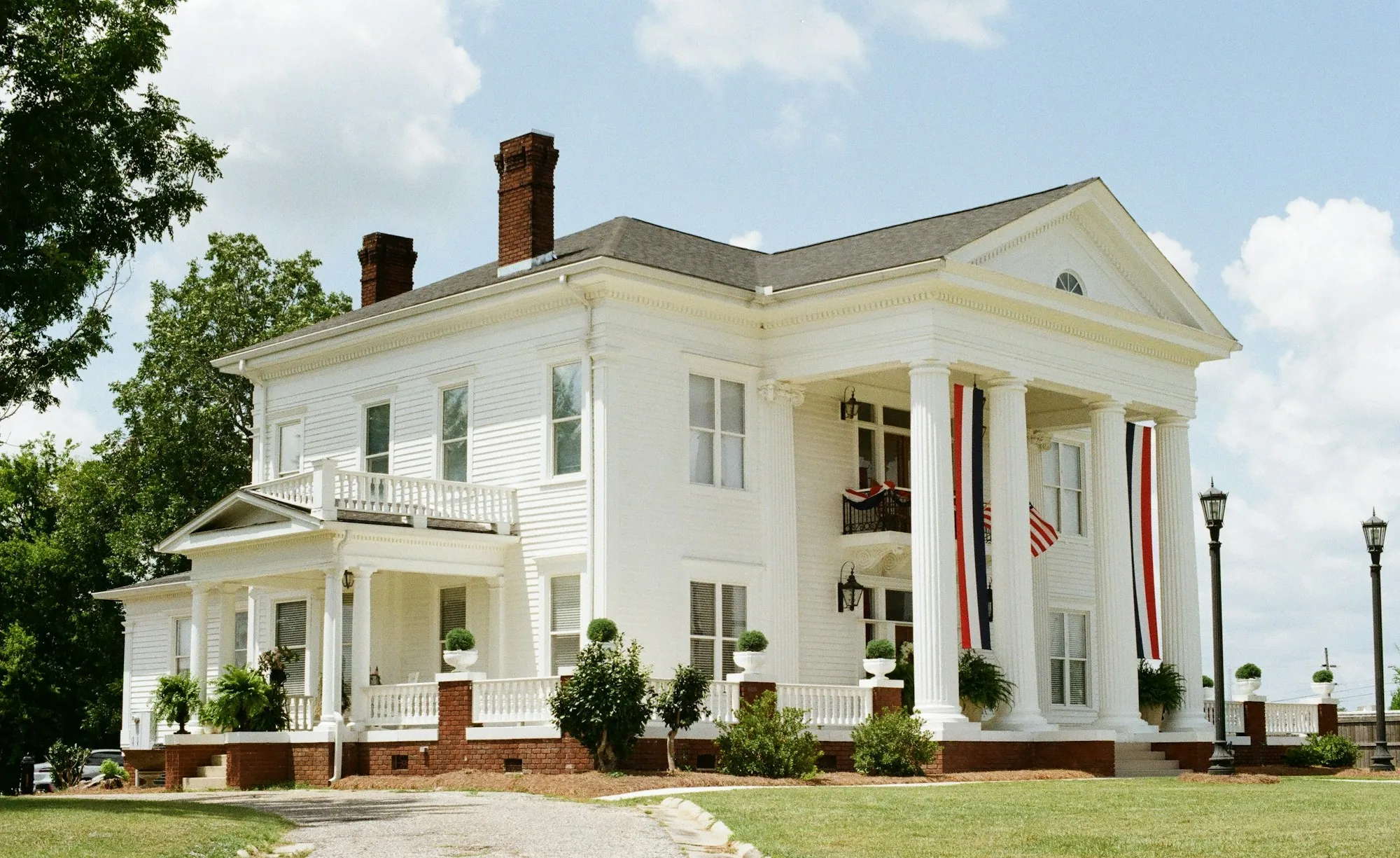
Is Asbestos the Last Thing Between You and Closing?
Tell us the date you are working toward, the material in question and what the inspector or contractor said. We will sort out testing, removal and paperwork in the right order on one call.
Covering Valley Stream and nearby Nassau County towns, answered 24/7.