
Picked up 24/7
Emergency Asbestos Removal for Valley Stream Homes and Buildings
Broken, wet or torn-out material gets walled off, removed and cleared by a crew that knows the drill.
Has Something Already Been Disturbed?
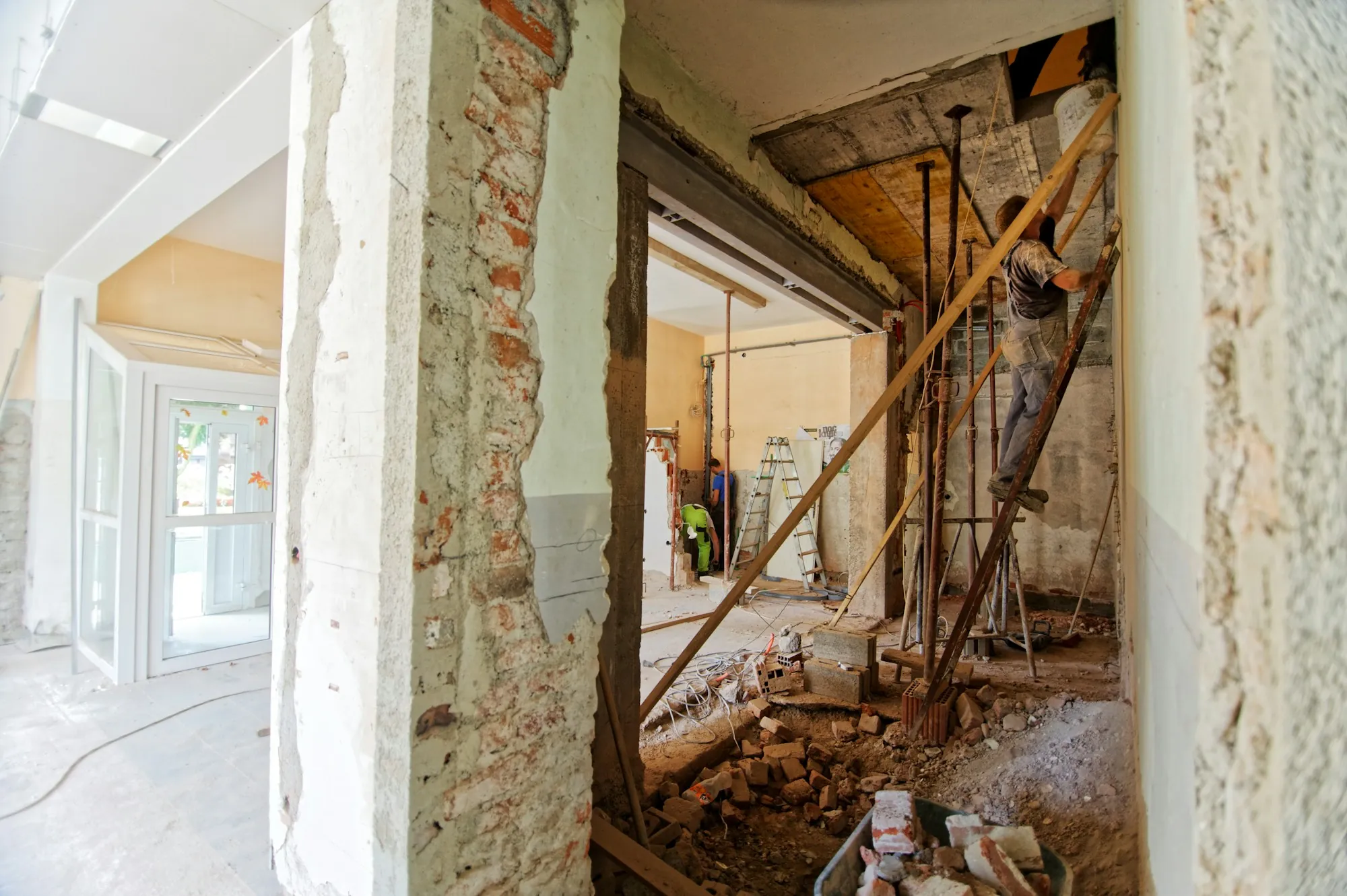
What counts as an asbestos emergency? Usually it is material that was meant to stay put and did not. A pipe bursts and soaks the boiler insulation. A small fire or a storm brings down part of a ceiling. A contractor pulls up old tile before anyone tested it, or a weekend demolition project opens a wall full of old joint compound. In each case the risk comes from the same thing: material that is broken, crumbling or drying out can release fibers into the air. The first moves are yours, and they are simple. Stop all work in the area. Keep people and pets away. Turn off the furnace or AC feeding that room so the blower does not carry dust through the ducts. Do not sweep, vacuum or wipe the debris, because household tools spread it. Then reach the emergency line, which is answered by a person at any hour, nights and weekends included. We ask what happened, what the material is and who has been in the room, then send a crew to set up containment, keep the debris wet, remove and bag it and clean the area with HEPA equipment. Samples go to an accredited lab when the material has not been tested yet, and independent air clearance confirms the space is usable before you go back in. If you are in the middle of selling a home in Valley Stream, the records from an emergency cleanup also give your buyer a clear account of what happened and how it was handled.
What Does Emergency Response Cover?
No two calls look the same. Most still involve the following.
Guidance on the phone
Straight directions for the next hour: which switch to flip, which door to close, which debris to leave be.
Walling off the damage
Poly sheeting and filtered exhaust machines close the damaged section off from the rest of the building.
Wet debris control
Broken material is kept damp so it cannot dry and become airborne during cleanup.
Water and fire damage
Soaked pipe wrap, collapsed ceiling texture and charred materials handled under containment.
Contractor and DIY mishaps
Tile, plaster or insulation that was torn out before testing, cleaned up and removed properly.
Testing on the spot
Samples of unknown material sent to an accredited lab to confirm what was disturbed.
Clearance before return
An outside air testing firm signs off on the room before it goes back into use.
What Happens After You Call?
Talk it through right away
A person answers, asks what happened and explains how to halt work, shut the door on the space and kill the blower that serves it.
Crew isolates and removes
The team seals the area, sets up negative air, wets the debris and removes it in sealed, labeled bags for permitted disposal.
Wipe down and verify
Each surface inside the barrier is vacuumed with HEPA gear and wiped down damp, then a third-party air sample has to pass before the room reopens.
What You Get When the Damage Is Already Done
Someone picks up
The line is answered at any hour, so you are not left guessing what to do overnight.
Calm, specific instructions
You get plain steps to limit the spread while the crew is on the way.
A record of the incident
What happened, what was removed and the clearance results, written up for insurers, landlords or buyers.
- Answered day or night
- Area sealed first
- Debris kept wet
- Air clearance after
Is Damaged Material Sitting Out Right Now?
Leave it where it is, keep everyone out and turn off the air system serving that space. Then reach us on the emergency line and we will tell you what happens next.