
Homes and buildings
Asbestos Removal in Valley Stream, NY
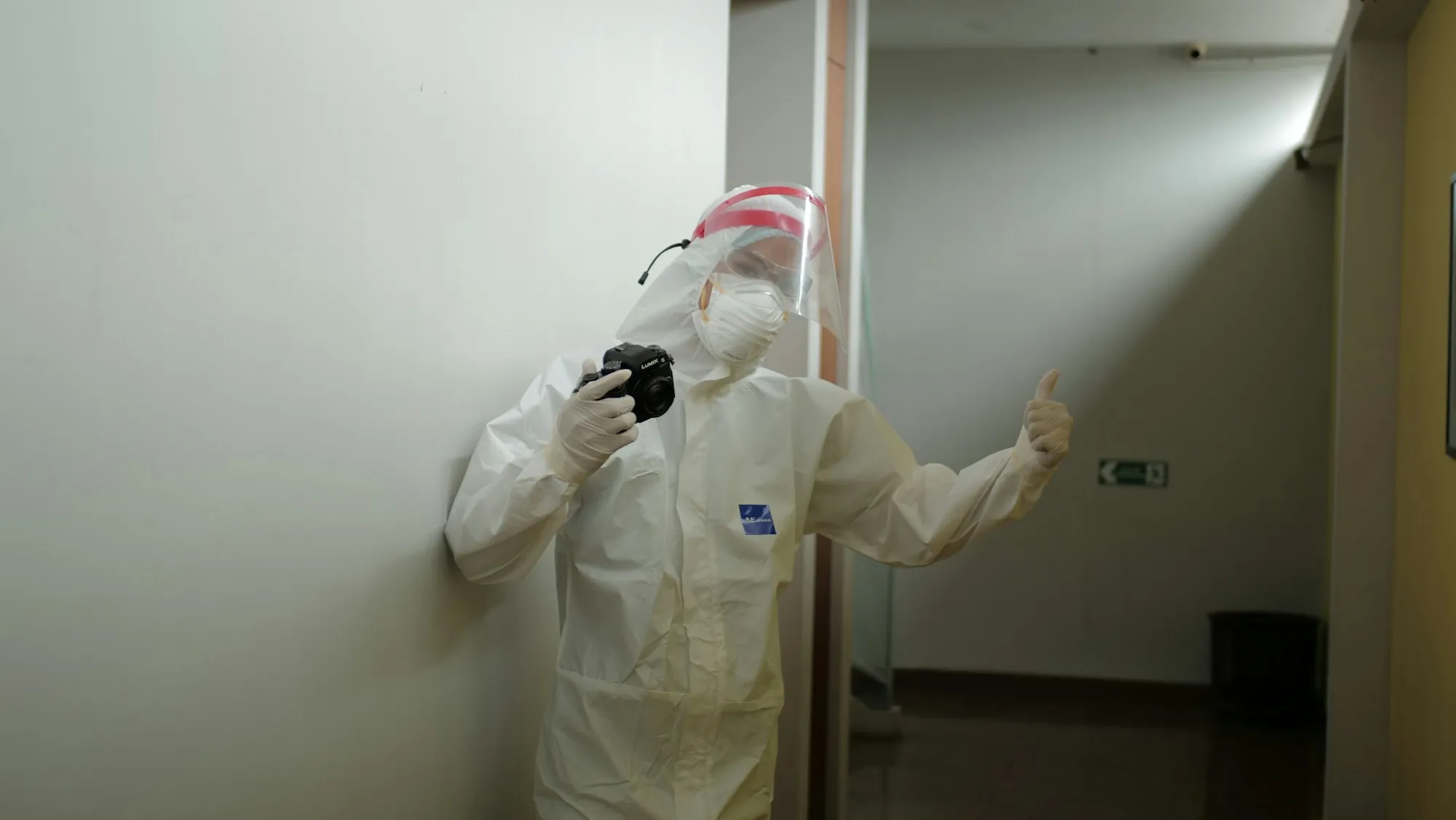
Material taken out under containment, packed for permitted disposal and signed off with independent air clearance.
What Separates a Clean Removal From a Messy One?
Why do so many asbestos jobs start with a deadline? Because the material usually surfaces at an inconvenient moment: a home inspection before a sale, a kitchen gut, a boiler swap or a basement finish. Asbestos Removal Valley Stream handles the removal itself for houses, co-ops, apartment buildings and commercial spaces, and the work follows the same order every time. First the lab confirms which materials contain asbestos, so nothing is removed on a hunch. Then plastic goes up around the room, every doorway and register is closed off, and filtered fans keep the air pressure inside lower than outside. Handlers soak the material before and while it comes out, seal it in labeled bags or sheeting and send it off to a landfill approved for asbestos waste. HEPA vacuuming and damp wiping follow, and an outside firm's air test has the final word. Typical finds: lagging on heating lines and boilers, small square tiles set in tarry black glue, bumpy sprayed-on ceilings, old wallboard compound, cement shingles outside and wrapping on ductwork. Every one of those steps is written into your scope before work begins, and the records are handed over when it ends, which is exactly what a buyer's attorney, a lender or your contractor will want to see. Many of the postwar houses around Valley Stream have at least one of these materials, so a removal plan built for a closing date is often the most useful thing we provide.
Which Materials and Jobs Are Covered?
Most removals involve one or two of these. Some older buildings have all of them.
Pipe and boiler insulation
Wrap on heating lines, elbows and boilers, often removed ahead of a new heating system.
Floor tile and black mastic
Old resilient tile and the adhesive under it, lifted wet so it does not break into dust.
Popcorn and textured ceilings
Sprayed ceiling texture scraped down inside a fully contained room.
Joint compound and plaster
Wall and ceiling finishes that tested positive and sit in the way of a renovation.
Exterior shingles
Cement siding and roof shingles lifted off intact whenever possible, misted and wrapped in poly.
Ductwork wrapping
Insulation and tape on older ductwork removed before an HVAC replacement.
Pre-sale and pre-demolition clearing
Removal sequenced around a closing, a gut renovation or an interior teardown.
Records at the end
Lab results, disposal paperwork and air clearance collected into one file for you.
Which Step Comes After Which?
Confirm and plan
An accredited lab checks samples of every suspect item. Any notice the state requires is drafted, and you get a written scope listing the materials, the work area, disposal and how clearance will be measured.
Contain and remove
The zone is sheeted, sealed and put under HEPA negative air. Handlers wet the material, remove it and bag or wrap it on the spot so it never dries out in the open.
Clean and clear
Surfaces are HEPA vacuumed and wet wiped, waste leaves for a permitted facility and an independent air test confirms the area is ready to use again.
Why Owners Hand Us the Removal
Only confirmed material comes out
Lab results come first, so you pay to remove what actually contains asbestos and nothing more.
The rest of the house stays clean
Sealed openings and negative air keep the work contained to the room it belongs in.
A file you can forward
Scope, lab report, disposal records and clearance arrive together, ready for a buyer or contractor.
- Scope backed by lab results
- Filtered exhaust on site
- Licensed disposal site
- Third-party air test
Have a Material You Need Gone Before a Deadline?
Let us know which material, which part of the house and which date matters most. We will explain the testing, the removal and the paperwork, and how they fit around your closing or project.